
Mahahual’s Coral Reef and the Challenge of Rising Heat
Learn what is known about rising water temperatures and coral bleaching in Mahahual, and why local reef resilience cannot be judged from temperature alone.
Published · 2 min read
Quick answer
Mahahual’s reef is part of the Mesoamerican Reef System, and rising seawater temperatures can stress corals and trigger bleaching. Available information identifies local reef monitoring, but does not establish which factors make Mahahual’s corals more resilient to heat or how they respond over time.
Mahahual’s reef and its role on the coast
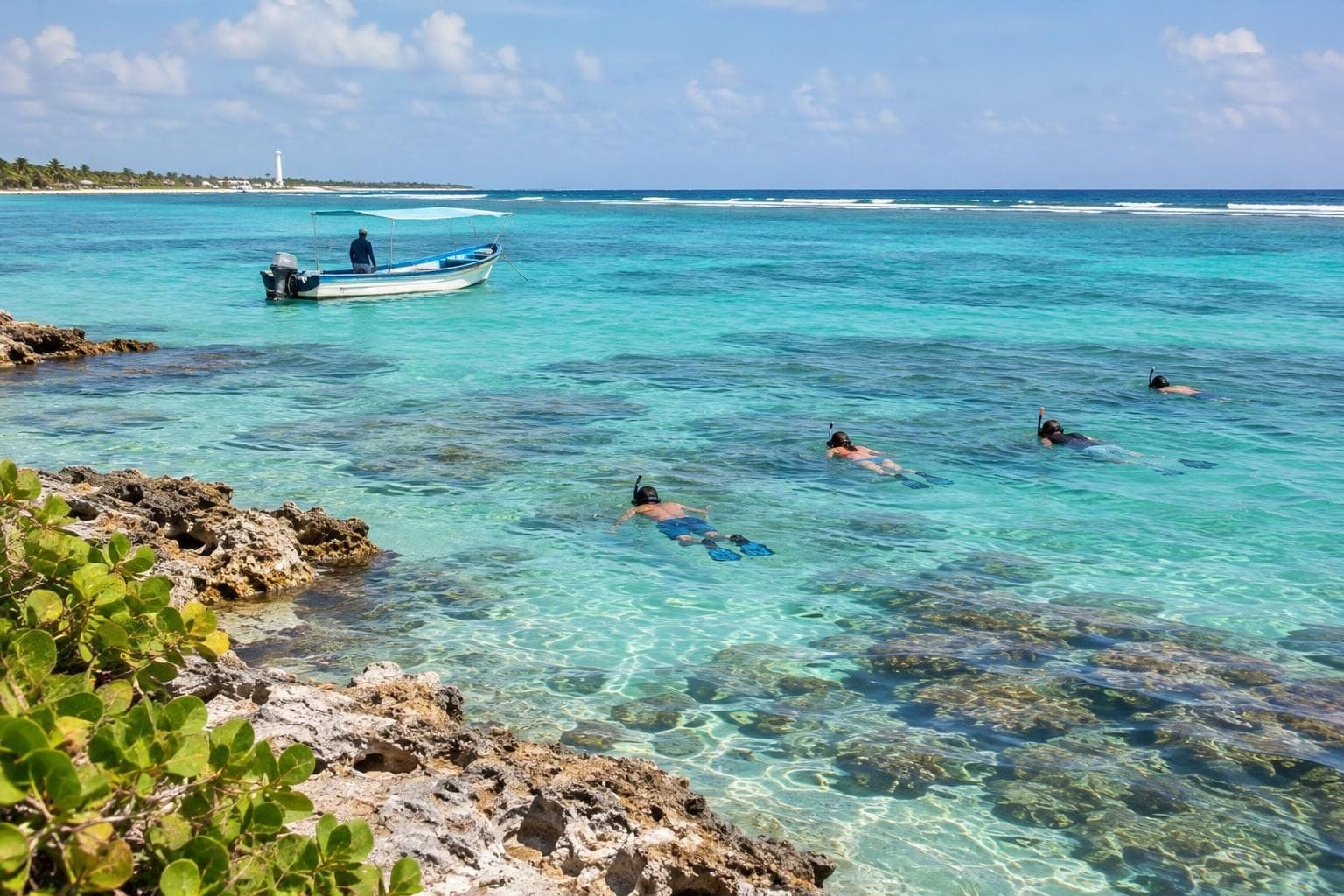
Mahahual sits on the Caribbean coast of Quintana Roo, Mexico, alongside the Mesoamerican Barrier Reef. Its reefs belong to the Mesoamerican Reef System, a region described as highly biodiverse. This setting connects the local reef to a wider reef zone rather than making it an isolated feature of the coast.
The reef has roles beyond being part of that larger system. It provides habitat for aquatic organisms and helps protect the coast from beach erosion, hurricanes, and storms. These functions help explain why changes to the reef matter locally: the condition of the reef is relevant to both marine life and the coastline it helps protect.
What rising temperatures can mean for Mahahual corals
Rising seawater temperatures can place corals under stress and trigger bleaching. Climate change is also identified as a vulnerability for the local reef zone. Together, these facts point to heat as a concern for Mahahual’s reef, while leaving the specific response of individual corals an open question.
Bleaching is a signal of stress, but the available facts do not say how often it has occurred in Mahahual, which coral types are affected, or whether particular colonies recovered. They also do not provide a temperature threshold for local bleaching. It would therefore be inaccurate to describe a specific outcome for Mahahual corals as certain.
What is known about reef resilience in Mahahual
Researchers surveyed 10 reef patches in Mahahual during 2021 and 2022 using the AGRRA coral-monitoring protocol. This confirms that local reef patches have been surveyed with a coral-monitoring method. The survey details alone, however, do not establish how the corals responded to heat or which conditions supported resilience.
Resilience should not be reduced to a claim that the reef will withstand warming. The facts available here do not identify particular resilience factors or report local recovery outcomes. They do establish why ongoing attention matters: the reef supports aquatic organisms, contributes to coastal protection, and is part of a zone identified as vulnerable to climate change. Clear distinctions between documented monitoring and unanswered questions help keep the picture of Mahahual’s reef grounded.
Frequently asked questions
How can rising water temperatures affect Mahahual’s corals?
Rising seawater temperatures can stress corals and trigger bleaching. The available facts do not specify how often this happens in Mahahual.
What factors influence coral resilience in Mahahual?
The available information does not identify specific resilience factors for Mahahual’s corals. It notes a survey of 10 reef patches in 2021 and 2022, but does not provide findings about heat tolerance or recovery.
Where is Mahahual’s reef located?
Mahahual is on the Caribbean coast of Quintana Roo, Mexico, and its reefs are part of the Mesoamerican Reef System.